The Philippine Peso, a significant representation of the country’s economy, possesses a rich history that encapsulates the nation’s development over time. This document delves into the evolution of the peso, tracing its journey from its origins to the current currency offerings. It provides an overview of the banknotes and coins presently in circulation, highlights the prevalent payment methods utilised by Filipinos, and analyzes the various factors that impact the peso’s value. We invite you to explore the complex dimensions of the Philippines’ prominent currency.
Overview of the Philippine Currency
The Philippine currency, referred to as the Philippine peso (PHP), plays a vital role in the financial system of the Philippines, under the governance of the Central Bank of the Philippines (Bangko Sentral ng Pilipinas or BSP). As an essential element of the nation’s economic stability, the peso facilitates a range of financial transactions, including remittances, domestic trade, and foreign exchange operations.
A comprehensive understanding of the Philippine peso necessitates an examination of its influence on inflation rates, monetary policy, and the broader dynamics of economic growth within the country. This overview aims to explore the historical context of the peso, its current status, and its significance within the framework of global currency markets and the rise of digital payment systems.
History and Evolution of the Philippine Peso
The history and evolution of the Philippine peso serve as a reflection of the Philippines’ intricate economic landscape, illustrating how the currency has adapted to various changes over the years, from its historical origins to its current status as a modern currency that facilitates both local and international transactions. The origins of the peso can be traced back to the Spanish colonisation in the late 16th century, during which it was introduced as part of the colonial monetary system. Over the years, the currency has undergone significant transformations driven by pivotal events, such as the American occupation in the early 1900s, which established a new currency system and introduced the gold standard.
Following the Second World War, the peso experienced considerable depreciation due to economic instability and inflation, necessitating financial reforms. In recent decades, fluctuations in global markets, trade agreements, and shifts in foreign investment have further influenced its value, resulting in periods of both peso appreciation and depreciation. This dynamic interaction between domestic policies and international economic trends continues to shape the currency’s role within the evolving financial landscape of the Philippines.
Current Currency Offerings in the Philippines
The current currency offerings in the Philippines consist of a diverse array of banknotes and coins issued by the Central Bank of the Philippines. These denominations are strategically designed to address the needs of consumers and businesses alike, while also ensuring economic stability and facilitating efficient currency exchange.
Banknotes and Coins in Circulation
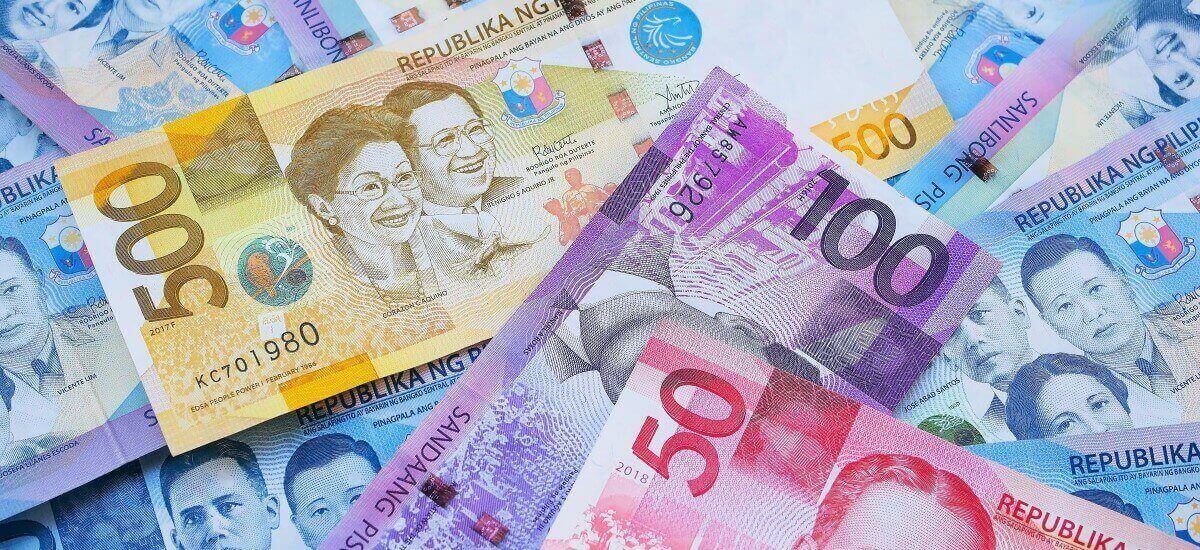
The Philippine currency system comprises various banknotes and coins, each characterised by distinct features and values that facilitate everyday transactions. This system plays a crucial role in the country’s payment mechanisms, contributing to the overall currency value and economic performance. Presently, the currency includes banknotes in denominations ranging from 20 to 1,000 pesos, which display vibrant designs that reflect the nation’s cultural heritage. Additionally, the coinage consists of 1, 5, 10, and 25 centavos, as well as 1 and 5 peso coins, known for their durability and practicality.
These physical currencies not only facilitate traditional transactions but also support the increasing shift towards cashless systems, where digital payments are becoming more prevalent. Consequently, an analysis of local currency trends reveals how these components influence purchasing power and monetary stability, ultimately shaping consumer confidence and fostering positive economic dynamics.
Popular Forms of Payment in the Philippines
In the Philippines, a wide range of payment systems has emerged, encompassing both traditional and digital methods. This development reflects advancements in financial technology and a growing emphasis on financial inclusion as well as the promotion of cashless transactions throughout the economy.
Traditional and Digital Payment Methods
Traditional payment methods in the Philippines, such as cash and cheques, coexist with emerging digital payment solutions, including mobile wallets and online banking. This coexistence reflects a transformation in cash management practices that fosters financial literacy and promotes economic development. As individuals navigate the evolving economic landscape, the shift towards digital solutions becomes increasingly significant. While the traditional reliance on cash provides a sense of security for many, the convenience offered by technological advancements is undeniable.
Payment gateways serve a crucial function in bridging these two domains, facilitating seamless transactions that enhance operational efficiency. To fully leverage the potential of these innovations, it is essential for citizens to engage in ongoing education about financial tools and resources. This increasing emphasis on financial literacy not only gives the power to individuals to make informed decisions but also contributes to broader economic development, paving the way for a more adaptive and resilient marketplace.
Factors Affecting the Value of the Philippine Peso
The value of the Philippine peso is influenced by a variety of factors, including economic indicators, fiscal policy decisions, inflation rates, and global market dynamics. Each of these elements contributes to the peso’s strength and its vulnerability to fluctuations in the value or major currencies and trade deficits.
Economic and Political Influences
Economic and political influences significantly shape the value of the Philippine peso, as fluctuations in the political climate and economic stability can directly affect foreign direct investment and consumer spending behaviours. The relationship between these factors is complex, with political decisions often guiding monetary policy, which subsequently impacts inflation rates and the overall economic landscape. For example, a stable political environment can bolster investor confidence, resulting in increased foreign direct investment, whereas unpredictable governance may prompt capital flight or a reduction in consumer spending.
Additionally, variations in economic indicators such as GDP growth, unemployment rates, and inflation have a direct correlation with the strength of the peso. Both businesses and individuals closely monitor these trends to adjust their strategies accordingly, highlighting the profound interconnectedness of economic and political spheres in shaping financial outcomes.